
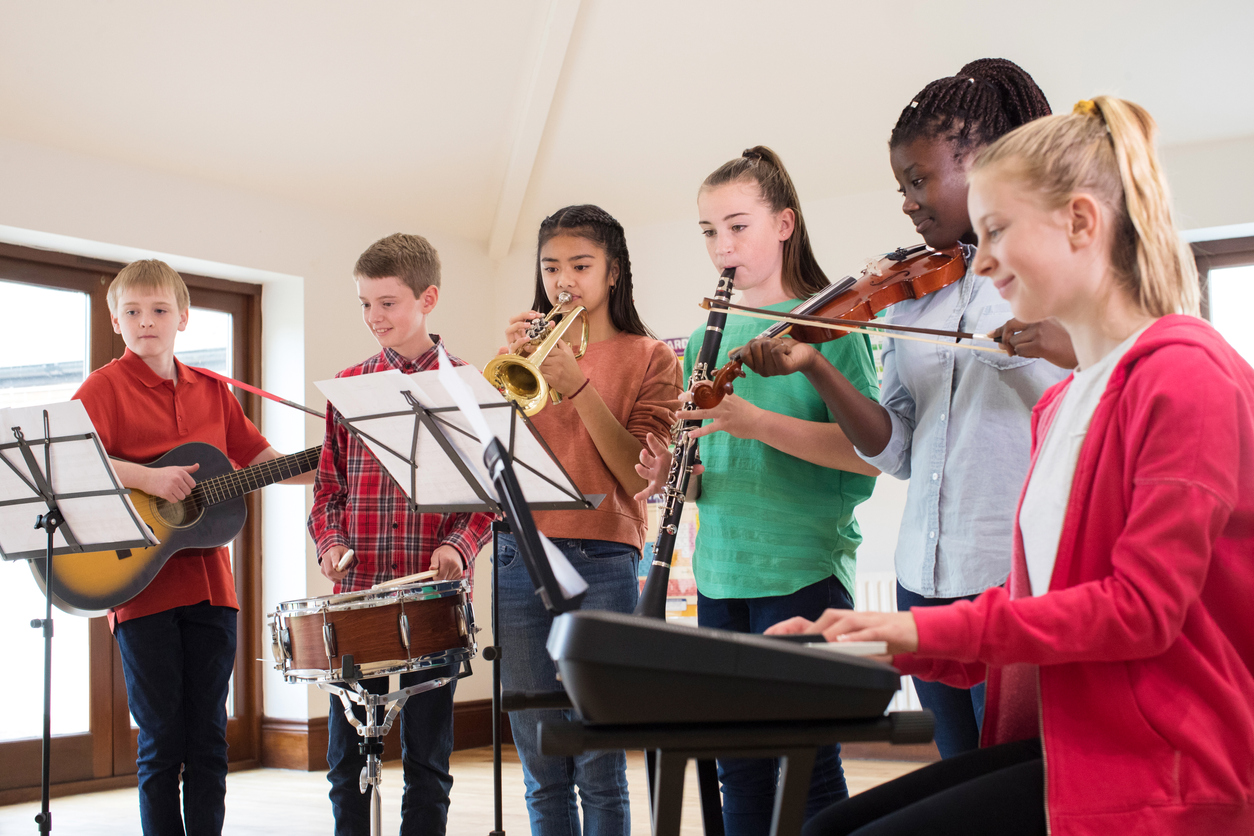

When listening to music or just mentioning the word, the first thing that comes to mind is fun, party, applause and even fame. Actually, understanding and living from music requires passion, study, dedication and discipline. It is one thing to be a music fan and another to study music in a formal way.
Studying music not only requires vocation but also technique and talent. Not everyone has the gift of playing an instrument, of transforming a sound into music, into musical art. The composer Robert Schumann used to say that one should not be afraid of musical concepts such as theory, encryption or counterpoint, because they are part of the constant musical encounter.
Academic Fingerboard
Who when he has gone to a concert has not heard the orchestra “tune” the instruments? Surely in more than one you do not usually think about the whole academic path that group of musicians walked t o be there, in the theater. That makes all the music presentatiosn a very serious thing.
So serious is the study of music that an endless number of modern universities offer a career in music whose duration is at least four years. Other university campuses offers Art studies that includes music as a mention. Also, in other institutes, there are programs of education with specialization in musical pedagogy. But, generally, the first word that comes to mind when studying music is conservatory.
The conservatory is the place of the versed, the temple, where there are professionals for each instrument and it is initially used to experience the passion for music and discover if it will be a time or a way of life and obtain a university degree The conservatories are ideal for children and young people who enter the musical career and where they will transform their passion into sounds.

 subjects on the history of music, rhythmic and metric, composition, acoustics, sound sources, musicology, vocal techniques, singing, direction of choir/orchestra, among others, as part of the theoretical training. It seems like a lot of content, but it’s not like that.