
The Quiet Hours Before Sunrise in the Hearth Room
At 4:30 in the morning, a country inn kitchen has a particular kind of stillness. Beyond the windows, fields remain dark and the stables are quiet, while inside, the first warmth gathers around a cast iron range and a covered bowl of dough. There is the faint scent of wheat, the soft hiss of a kettle, and the promise that guests will soon find warm bread beside the first coffee service. For anyone planning a restful rural stay, the appeal of country inn hospitality often rests on precisely these unseen details, where thoughtful preparation turns an ordinary breakfast into a memorable welcome.
That calm does not come from rushing more efficiently at dawn. It comes from moving the demanding work into the evening, when the kitchen is unhurried and the dough can develop under controlled conditions. Hydration and cold fermentation are the two governing tools. Water determines how flour becomes a workable network of gluten, while temperature controls how quickly yeast, bacteria, and enzymes transform that network. Used together, they allow home bakers and professional inn kitchens to produce loaves with deep flavor, generous oven spring, and a schedule that leaves the morning for coffee, horses, gardens, and guests.
Balancing Water and Grain for Texture and Crumb
Baker”s hydration is calculated by weight, not by cups or other volume measures. The water mass is divided by the total flour mass and multiplied by 100. A dough made with 500 grams of flour and 375 grams of water therefore has 75 percent hydration. Starter flour and water should also be included when calculating the true percentage, particularly when a recipe contains a substantial levain. This simple ratio provides a useful map, but it is not a universal commandment. Flour variety, extraction rate, protein content, age, and milling method all affect how much water the dough can absorb.
A rural kitchen can make that difference especially noticeable. A damp summer kitchen and a dry, centrally heated winter pantry may produce different doughs from the same formula. Fresh stone-ground or whole-grain flour usually contains more bran and germ, both of which absorb water and interrupt gluten development. White bread flour often tolerates more water while remaining elastic. The dough should therefore be judged by its feel as well as its calculation. A properly hydrated dough becomes smoother and more extensible during mixing and folding. If it feels tight, tears quickly, or resists incorporation, it may need more water. If it spreads into a loose paste and refuses to hold shape, the issue may be excessive water, insufficient strengthening, or fermentation that has gone too far.
Hydration also sets a clear tradeoff between crumb openness and handling ease. Lower hydration generally produces a firmer dough, a more structured crumb, and shaping that is reassuring for beginners. Higher hydration can create a thinner crust and irregular, custard-like holes, but it demands stronger gluten development and more confident handling. Adding the final portion of water gradually, a method known as bassinage, can help the dough develop strength before it receives additional moisture.
| Hydration range | Useful character | Best suited to |
|---|---|---|
| 65 to 70 percent | Firm, stable, easy to shape | Everyday sandwich-style or breakfast loaves |
| 70 to 76 percent | Balanced extensibility and open crumb | Classic country boules and inn-style hearth loaves |
| 76 to 82 percent | Very tender crumb with larger irregular pockets | Experienced bakers using strong, absorbent flour |
The Chemistry of Chilling When the Kitchen Goes Dark
Cold fermentation is not fermentation stopped, but fermentation placed in slow motion. Refrigeration sharply reduces the activity of the wild yeasts in a sourdough culture, including strains related to Saccharomyces cerevisiae. The lactic acid bacteria also slow, yet they continue shaping the dough”s flavor over time. Depending on the culture and conditions, their activity contributes gentle lactic acidity, sharper acetic notes, and a more layered wheat character. A useful practical explanation from bread cookery guidance is that dough may take roughly ten times longer to rise in a refrigerator than at room temperature, although the exact rate depends on dough temperature, inoculation, flour, and refrigerator performance.
This slowdown creates the generous preparation window that makes overnight baking so well suited to country lodging. After bulk fermentation and shaping in the evening, the banneton can go into the refrigerator while the kitchen closes. The dough continues to mature without requiring a midnight check or a pre-dawn kneading session. Enzymes also remain active. As they break down portions of complex starches into simpler sugars, those sugars become available for fermentation and later contribute to browning and caramelized crust flavor. The result is not merely sourness, but a fuller aroma that can include toasted grain, mild fruit, and roasted malt.
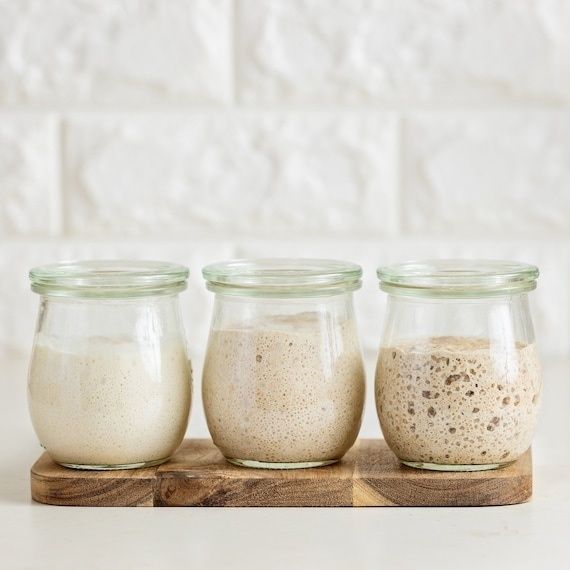
- Begin with a lively starter and allow the dough some room-temperature fermentation before chilling.
- Use cool water when slowing a dough that is already fermenting quickly, and warmer water when the culture needs a stronger start.
- Watch dough volume and elasticity rather than relying on the clock alone.
- Plan for roughly 12 to 24 hours of cold proofing, extending the time only when the dough remains structurally sound.
Cold timing is particularly helpful in a guesthouse setting because breakfast has a fixed social rhythm. The loaf can be shaped after dinner, chilled overnight, and baked while coffee brews and the dining room is prepared. A home baker can borrow the same rhythm. Evening preparation protects the morning from last-minute surprises, while the cold dough is often easier to score and more resistant to spreading.
Covered or Open Bannetons for Crisp Morning Crusts
Whether a banneton should be covered during cold proofing depends less on doctrine than on the refrigerator”s microclimate. An uncovered loaf slowly loses moisture from its surface, creating a thin, taut skin. That skin can make an intricate score easier because the blade meets a clean, slightly resistant surface rather than a soft, sticky one. In a quiet, humid refrigerator without a circulating fan, this controlled evaporation may be beneficial.
Many domestic refrigerators, however, use airflow that steadily dries exposed dough. Commercial walk-in units can be even more demanding, especially near fans or cooling panels. Excessive drying forms a thick shell that restricts expansion and may leave the baked loaf tight around the edges. A loose plastic bag, reusable cover, or lidded container creates a humid pocket without preventing the basket from supporting the dough. Before baking, a chilled loaf should feel firm and cool. A gentle finger press that springs back immediately suggests under-proofing, while a depression that remains can indicate over-proofing. Moderate resistance with a slow partial return is generally a more useful sign of readiness.
- Leave the banneton open only in a still refrigerator where the surface does not dry rapidly.
- Cover dough in fan-assisted or visibly dry refrigeration.
- Dust with rice flour when sticking is a concern, since it absorbs little water and remains effective on the basket surface.
- Inspect the dough skin for a fine, dry tautness rather than a leathery crust.
From Cold Larder to Roaring Hearth in Five Steps
A chilled loaf can move directly from the refrigerator to the oven. There is no general requirement to bring it back to room temperature, and warming it may soften the dough before scoring. The key is to have the baking environment fully prepared before the basket leaves cold storage.
- Preheat the baking vessel. Place a cast iron Dutch oven or baking stone in the oven at least one hour before baking. High heat saturates the vessel and gives the dough immediate bottom heat, which supports rapid expansion. Many country-style loaves begin around 450°F, with the exact temperature adjusted for flour, loaf size, and oven behavior.
- Invert the chilled dough. Turn the dough onto parchment, a peel, or another prepared surface in one confident movement. Avoid excessive handling, since the fragile gas structure developed during fermentation is part of the loaf”s final volume.
- Score with purpose. Hold the razor at approximately a 45-degree angle and make one decisive slash along the loaf”s expansion line. A shallow, clean cut opens into an attractive ear, while hesitant sawing can deflate the surface or create ragged tearing.
- Capture steam early. Bake in a covered Dutch oven, or introduce steam when using a stone. Moist heat delays crust setting, allowing the dough to expand before the exterior hardens. This is the central mechanical advantage behind dramatic oven spring.
- Finish uncovered. Remove the lid or vent the steam for the final portion of baking. The drier heat deepens the crust from golden to mahogany and creates the brittle crackle associated with a well-baked hearth loaf. Allow the bread to cool for at least an hour before slicing, so the crumb can set rather than compress.
Visual judgment remains important throughout the process. A properly fermented loaf should show volume, aeration, and enough tension to hold its shape. If it spreads dramatically when turned out, the dough may have been too wet, insufficiently strengthened, or over-fermented. If the crumb is dense and the score barely opens, the starter may have been weak, the bulk fermentation too short, or the refrigerator too cold too early. Keeping notes on flour, dough temperature, room temperature, and proofing length turns each bake into a useful refinement rather than a guess.
The rhythm also suits hospitality beautifully. While the covered loaf expands in its own captured cloud of steam, the kitchen can turn to simpler tasks: slicing fruit, setting butter in a crock, warming cups, and opening the curtains toward the pasture. The bread does not demand constant attention, yet it rewards careful planning with a centerpiece that feels generous and thoroughly local.
Bring the Calm of the Country Morning to Your Own Table
The most successful overnight sourdough schedule is an agreement between biology and daily life. Hydration is chosen according to the flour and the crumb desired, not according to a fashionable number. Fermentation is extended under refrigeration, where yeast activity slows, bacteria and enzymes continue developing flavor, and the baker gains a practical margin of time. Covered or uncovered proofing is selected according to the refrigerator”s humidity and airflow, while the final bake uses stored heat and retained steam to transform cool dough into a deeply colored, fragrant loaf.
For home bakers, the reward is a quieter morning rather than a more complicated one. Shape the dough when the house settles, protect it from drying, and let the refrigerator carry the schedule through the night. At sunrise, a cold loaf can go straight into a properly heated Dutch oven, emerging with a crackling crust and an open, tender interior. Served with farmhouse butter, preserves, and strong coffee, it brings the calm of a well-run country kitchen to any table, whether the view beyond the window is a stable yard, a hedgerow, or a familiar city street.